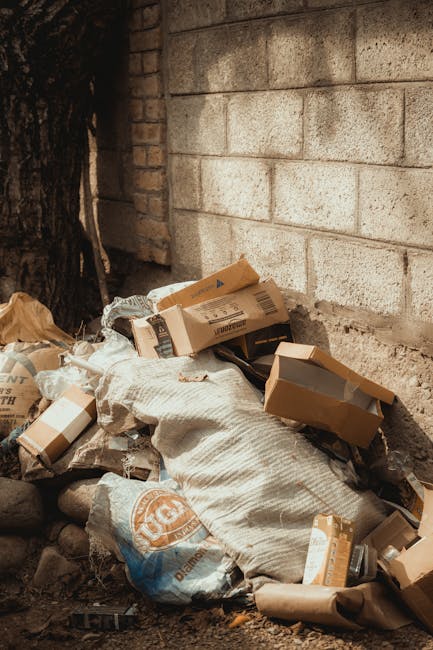
Avoid hidden rubbish removal charges in Hampstead
If you have ever booked rubbish removal and then felt that little knot in your stomach when the final invoice arrived, you are not alone. Hidden extras can creep in through parking fees, loading time, heavy-item charges, access problems, or vague wording in the quote. The good news? You can avoid hidden rubbish removal charges in Hampstead without turning the whole job into a saga.
This guide breaks down what surprise costs look like, how transparent pricing should work, and what to ask before anyone lifts a single bag. Whether you are clearing a flat near Hampstead Heath, emptying a basement, or dealing with a few awkward items after a move, a bit of preparation saves money and stress. Truth be told, most bad surprises happen before the van even turns up.
We will walk through the warning signs, the practical checks, and the sensible questions that help you compare quotes properly. And yes, there is a checklist, a comparison table, and a real-world example too. Nothing fancy. Just useful.
Table of Contents
- Why hidden rubbish removal charges in Hampstead matter
- How transparent rubbish removal pricing works
- Key benefits and practical advantages
- Who this is for and when it makes sense
- Step-by-step guidance
- Expert tips for better results
- Common mistakes to avoid
- Tools, resources and recommendations
- Law, compliance, standards and best practice
- Options, methods, and comparison table
- Case study or real-world example
- Practical checklist
- Conclusion
- Frequently asked questions
Why hidden rubbish removal charges in Hampstead matter
Hidden charges are not just annoying. They change the whole decision-making process. A quote that looks cheap can become expensive once small extras are added on top. That makes it harder to compare providers fairly, and it can leave you feeling boxed in on the day of collection.
In Hampstead, where properties can include narrow stairs, basement access, resident parking rules, or limited loading space, the risk of added fees is even more real. A good rubbish removal service should explain those factors upfront, not after the job is finished. If a provider is vague about access, labour time, or disposal categories, that is usually the point where trouble starts.
Let's face it, most people are not trying to micromanage a clearance crew. You just want the waste gone, the place left tidy, and the bill to match what was agreed. Transparent pricing is part of trust. No more, no less.
To keep things grounded, think of the difference between a quoted "all-in" price and a quote that quietly excludes stair carries, congestion, parking, or bulky waste handling. The second one may sound competitive at first glance, but it is often the one that causes frustration later. The cheapest quote is not always the cheapest job.
How transparent rubbish removal pricing works
Transparent pricing starts with a clear description of the waste, the access, and the collection conditions. A reputable provider will usually want to know what you are getting rid of, where it is located, how easy it is to reach, and whether any items need special handling. That information is not being asked for to be awkward. It is how the price is built properly.
In practice, a fair quote often depends on a few simple variables:
- the type of waste, such as household clutter, furniture, garden waste, or builders' debris
- the volume or load size
- the weight of the items
- the number of people needed for lifting
- access issues like stairs, basements, tight hallways, or limited parking
- disposal or recycling requirements
When these details are checked in advance, the quote can be much more reliable. When they are not, extras tend to appear later. Sometimes they are presented as "unexpected labour", sometimes as "access difficulty", sometimes as "adjusted load size". Same headache, different label.
A well-run service should also explain what is included. For example, does the price include loading, transport, disposal, sorting, and basic sweeping-up? Is there a fee for waiting if access is delayed? What happens if the volume turns out to be slightly larger than expected? These are the kinds of small points that make a big difference once the van is at the kerb and the job is half done.
If you want to understand the quote structure in more detail, it is worth reviewing the company's pricing and quotes guidance before you book. A transparent page should help you see what is included and what is not.
Key benefits and practical advantages
Avoiding hidden rubbish removal charges is not only about saving money, although that is obviously a nice bonus. It also improves the whole experience from start to finish. You know where you stand, you can compare services properly, and the job tends to run more smoothly on the day.
Here are the main practical advantages:
- Better budget control: you can plan the cost before the collection, not after it.
- Cleaner comparisons: you can compare like with like instead of guessing which quote is more complete.
- Less stress on the day: the team arrives with the right expectations and fewer surprises.
- Fewer disputes: clear agreement reduces arguments over what was included.
- More trust: a transparent service feels steadier and more professional.
There is also a quieter benefit that people overlook. When a company explains its pricing clearly, it usually explains the rest of its service clearly too. That often means better communication about access, timing, safety, and disposal. Small clue, but a useful one.
If you are choosing between several providers, look beyond the headline price and ask which quote gives you the most certainty. That is usually the one that protects you best.
Who this is for and when it makes sense
This matters for anyone arranging waste collection, but it is especially useful if you are dealing with a property that is not a simple ground-floor pickup. Hampstead homes and flats can come with quirks. That lovely old staircase? Charming. Also a potential charge if nobody mentioned it in advance.
This guide is relevant if you are:
- clearing out a flat, townhouse, or rental property
- dealing with a probate or house clearance
- moving home and disposing of unwanted furniture
- emptying a loft, cellar, shed, or garage
- removing garden waste after landscaping or pruning
- trying to avoid a last-minute bill shock
It also makes sense if you are a landlord, estate agent, homeowner, or tenant who needs the work done quickly and neatly. If you are coordinating access for a tenant or managing a turnaround between lets, clarity on price is not optional. It saves everyone time.
And if you are simply looking for a straightforward service from a local team, a quick read about the company's background and approach can give you a better sense of how they work before you commit.
Step-by-step guidance
Here is the simplest way to avoid surprise rubbish removal charges without making the process complicated.
1. List everything that needs removing
Start with a rough inventory. Not a perfect one. Just enough detail to describe the waste accurately. Separate furniture, general household rubbish, garden waste, and anything unusual like mattresses, white goods, or construction debris.
2. Take clear photos
Photos help a provider understand the volume and access conditions. Include wide shots and a couple of close-ups. If there is a basement flight, a narrow doorway, or a difficult parking situation, show it. It saves back-and-forth later.
3. Ask exactly what is included
Before you agree to anything, ask whether the quote includes loading, labour, transport, disposal, recycling, and tidying the area. You can also ask whether there are separate fees for stairs, waiting time, or additional weight. The aim is not to interrogate anyone. Just make the rules plain.
4. Confirm access details
Access can be a bigger pricing factor than the waste itself. A job from a driveway is one thing. A third-floor flat with no lift is another. Be upfront about keys, parking restrictions, time windows, and whether someone needs to be present.
5. Get the pricing model in writing
Written confirmation matters. Even a short email summary is better than relying on a phone call and memory. You want the service scope, the price basis, and any exclusions laid out clearly.
6. Check what happens if the job changes
Sometimes a clearance turns out to be bigger than expected. That happens. Ask how adjustments are handled if the volume is different on arrival. A fair provider should explain the process before collection, not improvise on the spot.
7. Review the terms before booking
Yes, terms and conditions can be dull. Nobody ever said otherwise. But they often contain the information that protects you from hidden extras. Look for cancellation terms, payment terms, access conditions, and liability language. The company's terms and conditions should be easy to understand, not a maze.
8. Keep the final agreed details handy
On the day, have the quote details ready. If something seems different, ask before the job starts. That single habit can save a lot of awkwardness later.
Expert tips for better results
After enough clearances, a few patterns become obvious. The best outcomes usually come from the simplest habits.
- Be precise, not dramatic: "one sofa, one wardrobe, five bags, and a broken desk" is more helpful than "a bit of stuff".
- Photograph awkward access: tight stairwells and parking restrictions are where surprise fees like to hide.
- Ask what counts as a full load: not every service defines load size the same way.
- Check disposal expectations: a responsible provider should explain whether items are reused, recycled, or disposed of appropriately.
- Choose clarity over speed: a ten-minute check now can save a messy argument later.
A small but useful tip: if the job involves mixed waste, ask whether separating items first will reduce the price. Sometimes it will, sometimes it will not. But asking is worth it. You might be surprised how much easier the whole thing becomes when the waste is grouped neatly.
Another sensible move is to use the company's own guidance on recycling and sustainability. A provider that explains how waste is handled usually has a better grip on compliance and cost transparency too.
Expert summary: The easiest way to avoid hidden rubbish removal charges in Hampstead is to give accurate waste details, confirm access, ask what is included, and keep the agreement in writing. Simple, but it works.
Common mistakes to avoid
Most bad pricing experiences come from a handful of avoidable mistakes. They are easy to make, especially when you are busy, but they are also easy to dodge once you know the pattern.
Only comparing the headline price
A low number can be misleading if the quote excludes labour, access, or disposal. Always compare the full scope, not just the starting figure.
Being vague about what needs removing
If you forget to mention bulky or awkward items, the quote may be adjusted later. Better to over-describe than under-describe.
Ignoring access problems
One flight of stairs is manageable. Four flights with a narrow landing and no parking bay? That is where pricing changes can creep in. Mention it early.
Assuming all providers define a load the same way
Load size can mean different things across different companies. Ask how the quote was calculated.
Skipping the terms
It is tempting to skip the small print. Honestly, that is where the awkward bits often live. Time well spent.
Not checking payment method and timing
Know when payment is due, how it is taken, and whether the amount can change on the day. If you want extra reassurance on this side of things, review the company's payment and security information before confirming the job.
Tools, resources and recommendations
You do not need specialist software or a complicated process to keep costs under control. A few simple tools and habits are usually enough.
- Phone camera: use it to document waste volume and access.
- Room-by-room notes: especially useful for house clearances and larger jobs.
- Quick measurements: if an item is especially large, a rough size can help avoid misunderstandings.
- Checklist on the day: useful if you are coordinating several people or several rooms.
For readers who want to understand how a provider treats service issues, the complaints procedure is worth checking. It tells you whether the company has a proper process if something does go wrong. Most of the time, you will never need it. But if you do, you will be glad it exists.
It is also sensible to review the company's health and safety policy and insurance and safety information if the job involves heavy lifting, awkward access, or shared spaces. These pages can help you judge whether the service is run with enough care for a real property environment, not just a neat brochure.
Law, compliance, standards and best practice
For rubbish removal, compliance matters because waste must be handled responsibly and lawfully. You do not need to become an expert in waste legislation to make a sensible booking, but you should expect the provider to follow proper disposal and duty-of-care practices. In plain English, that means they should know where the waste is going, how it is being handled, and whether any items need special treatment.
Best practice usually includes clear pricing, honest descriptions of what is included, and responsible disposal methods. It also includes sensible insurance, safe lifting practices, and good communication about access and timing. If a company seems casual about these things, that is a warning sign. Not always a deal-breaker, but enough to slow down and ask more questions.
For customers, the most useful rule is simple: do not rely on verbal promises alone. Ask for written confirmation, keep the details, and make sure the service description matches the property conditions. If a clearance involves vulnerable occupants, a busy shared entrance, or a tight time slot, extra care is not optional. It is just good practice.
There is also a human side to compliance. A team that works neatly, communicates clearly, and protects the property is less likely to create disputes. That sounds obvious, but in a rush, obvious things get missed.
Options, methods, and comparison table
Not every clearance needs the same approach. Some jobs are simple curbside collections. Others need a fuller service with labour, sorting, and careful handling. The right choice depends on the type of waste, the property layout, and how much time you want to spend on the day.
| Option | Best for | Pros | Risk of hidden charges |
|---|---|---|---|
| Basic collection | Small, easy-access loads | Quick and often cheaper upfront | Higher if access or load size is not clarified |
| Full-service rubbish removal | Mixed waste, bulky items, difficult access | More convenient and usually clearer in scope | Lower when quoted properly, but only if details are accurate |
| Pre-sorted clearance | Jobs where items can be grouped in advance | Can improve speed and reduce confusion | Moderate if categories are not defined in advance |
| Item-by-item removal | Single bulky items or a few large pieces | Simple to understand | Lower, though stair or carry fees may still apply |
In many Hampstead properties, the full-service option is the calmer choice because it includes the lifting and the access issues that cause problems elsewhere. If you are unsure, ask the provider which method best fits your situation. A good one will not push you toward the most expensive option without explanation.
Case study or real-world example
Imagine a small Hampstead flat clearance on a Friday morning. There is a sofa, a wardrobe, several bags of household clutter, and a broken desk. At first glance, the job seems straightforward. But the flat is on the third floor, the stairwell is narrow, and parking outside is tight.
If the customer only sends a vague description like "need some rubbish taken away", the quote may look low at first and then jump once the crew arrives. Stair carries, extra labour, and waiting time can all change the cost. That is exactly the kind of situation that causes frustration.
Now compare that with a better approach. The customer sends clear photos, notes the floor level, explains the parking limit, and lists the items accurately. The provider can then price the work properly from the start. The job still needs effort, of course. But the final invoice is far more likely to match the expectation. Much calmer. Much better.
That is the real lesson here: clarity at the beginning protects you at the end. It is not glamorous, but it works.
Practical checklist
Use this before confirming any rubbish removal booking in Hampstead.
- Have I listed every item that needs removing?
- Have I taken photos of the waste and the access route?
- Have I explained stairs, parking, lifts, or basement access?
- Have I asked what is included in the price?
- Have I asked about extra charges for labour, waiting, or bulky items?
- Have I checked the terms and conditions?
- Do I know how payment is taken and when it is due?
- Have I looked at the provider's insurance and safety information?
- Do I understand what happens if the load is larger than expected?
- Have I kept a copy of the quote or written confirmation?
If you can tick most of those boxes, you are in a good place. Not perfect, maybe, but good enough to avoid the usual surprises.
Conclusion
To avoid hidden rubbish removal charges in Hampstead, the key is simple: describe the job properly, confirm access, ask what is included, and get the quote in writing. Most price shocks do not come from malicious trickery; they come from vague information, rushed booking decisions, and assumptions that everyone means the same thing by "a quick clear-out".
Take a few extra minutes before you book and you will usually save yourself a lot of hassle later. You will also make it easier for the team to do a clean, efficient job, which is what everyone wants really. A bit of clarity goes a long way.
If you are ready to move forward with a service that values clear communication, careful handling, and straightforward pricing, it makes sense to start with the pages that explain the process in plain English, then make contact once you are comfortable.
Get a free quote today and see how much you can save.
And if you choose carefully, the whole thing can feel surprisingly calm. Just one less thing to worry about, which is never a bad outcome.
Frequently Asked Questions
What are hidden rubbish removal charges?
Hidden rubbish removal charges are extra fees that are not made clear at the start. They may include stair carries, difficult access, waiting time, heavy items, parking issues, or disposal changes.
How can I avoid surprise fees when booking rubbish removal in Hampstead?
Give accurate details about the items, take photos, explain access clearly, and ask exactly what the quote includes. Written confirmation is a big help too.
Why do quotes change on the day?
Quotes often change when the waste is larger, heavier, or harder to access than originally described. Sometimes the issue is simply missing information. Sometimes it is poor quoting. The difference matters.
Should a rubbish removal quote include labour and disposal?
It should be clear whether labour, loading, transport, and disposal are included. If those parts are not explicit, ask before booking. That is the safest approach.
Are stair fees normal?
They can be, especially in properties with difficult access. The important thing is that any extra fee is explained before the job begins, not quietly added later.
How do I compare rubbish removal prices fairly?
Compare what each quote includes, not just the final figure. Look at access, loading, disposal, item type, and any stated exclusions. A lower quote can be worse value if it leaves out key parts.
What should I ask before confirming a collection?
Ask about load size, access requirements, heavy-item handling, payment timing, and whether there are any extra charges for unusual conditions. A good provider will answer clearly.
Do I need photos for an accurate quote?
Photos are not always required, but they are extremely useful. They help the provider judge volume, access, and any awkward items much more accurately.
What if the job turns out bigger than expected?
Ask in advance how additional volume is handled. A fair service should explain how adjustments work before the collection begins.
Is it worth reading the terms and conditions?
Yes. Dull, but useful. Terms and conditions often explain cancellation, payment, access, liability, and what happens if the job changes. That is exactly where hidden cost issues are often clarified.
How can I tell if a rubbish removal company is trustworthy?
Look for clear pricing, open communication, sensible safety information, and transparent policies. If a provider is vague before the job, that usually does not improve later.
What is the best next step if I need rubbish removed soon?
Gather photos, note the items and access details, review the pricing information, and then contact the provider with a clear description of the job. That is usually the quickest way to get an accurate quote and avoid stress.